
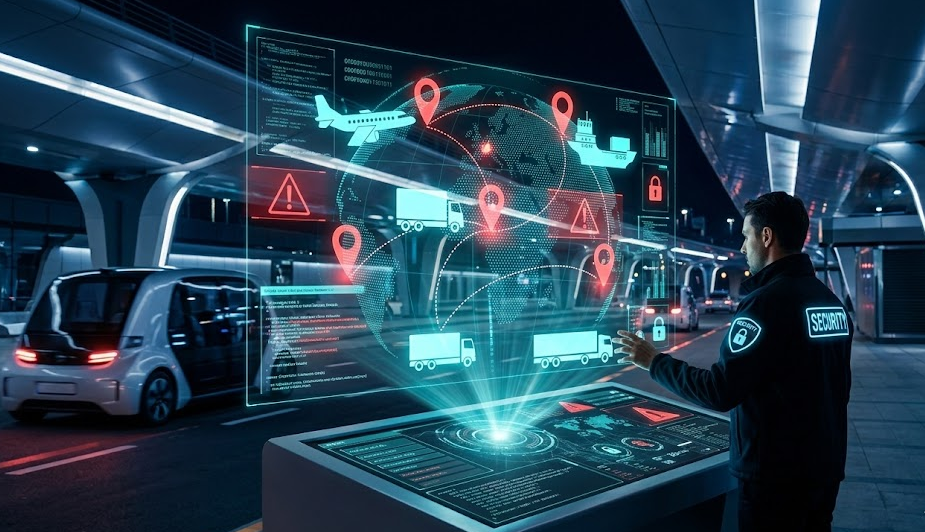
The transportation industry has reached a turning point.
Digital infrastructure is no longer just a support tool; it is the frontline of your operations. The latest industry data reveals that the “48-hour exploit window” is now the new standard for cyber-attacks. This means that from the moment a software flaw is found, hackers are using automated tools to weaponize it and attack your systems in less than two days.
This collapse in response time has changed the rules of the game. For years, IT teams had weeks to test and push updates. Today, that luxury is gone. If your security isn’t moving at the speed of the cloud, you are essentially leaving your warehouse doors unlocked for 48 hours every time a new vulnerability is announced. Staying safe now requires a shift from manual patching to “always-on” autonomous defense.
The 2026 Security Shift
-
Speed is Safety: Real-time protection is now a requirement. If your systems do not update instantly, you are a visible target.
-
Physical Asset Risk: Cybersecurity is no longer just about data. It is about preventing hackers from stopping your trucks or redirecting your ships.
-
The Digital Handshake: With fraud on the rise, verifying the identity of every digital partner is the only way to keep cargo moving safely.
As we move further into 2026, the gap between “high-tech” and “legacy” fleets is widening. Companies that treat their digital operations as a core strength are seeing lower insurance costs and higher client trust. Meanwhile, those who treat security as an afterthought are finding themselves uninsurable and at risk of total operational shutdown. In this era, the most valuable part of your fleet isn’t the engine—it’s the code that keeps it running.
Read the Full Industry Report: These findings are based on the 2026 NMFTA Transportation Industry Cybersecurity Trends Report. For those who want to dive deeper into the technical data and long-term forecasts, you can access the full NMFTA report here.